What is Spirulina ?
The World's Most Nutrient-Dense Superfood
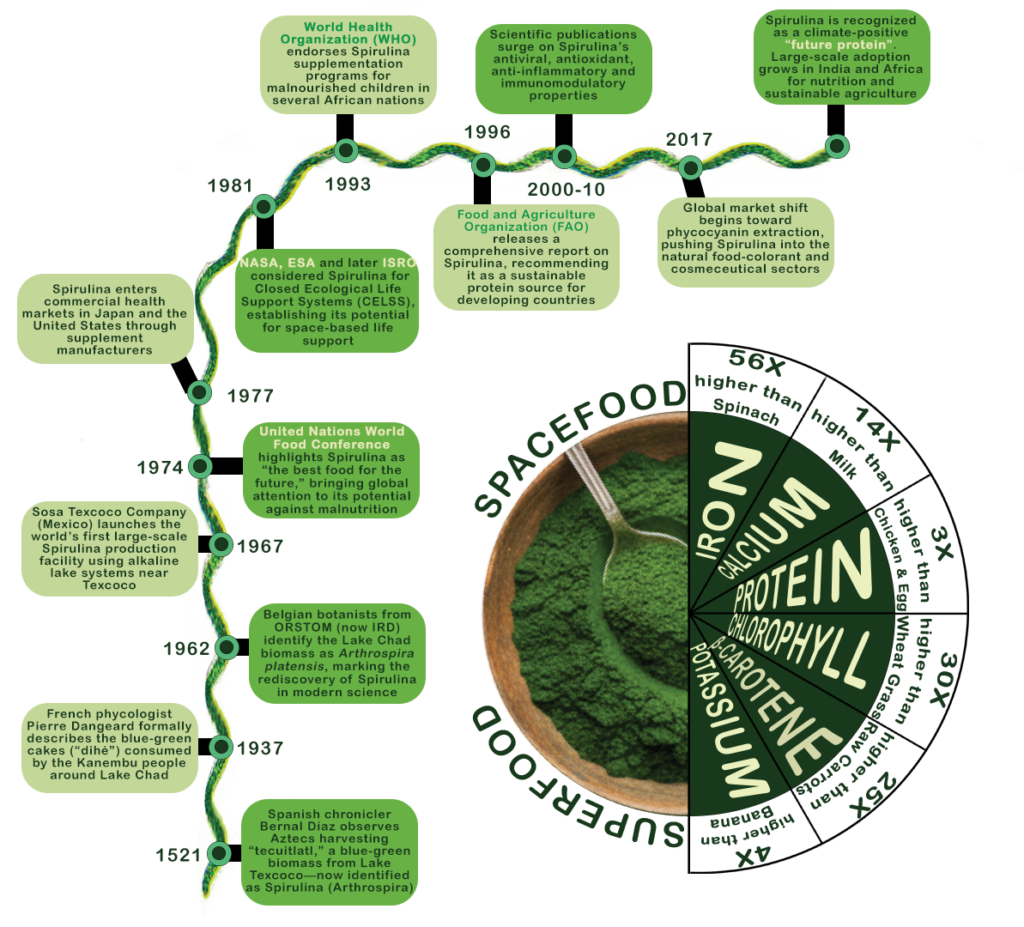
Spirulina (Arthrospira platensis) is recognized by the United Nations, WHO, and NASA for its unmatched nutritional density and potential to combat global malnutrition.
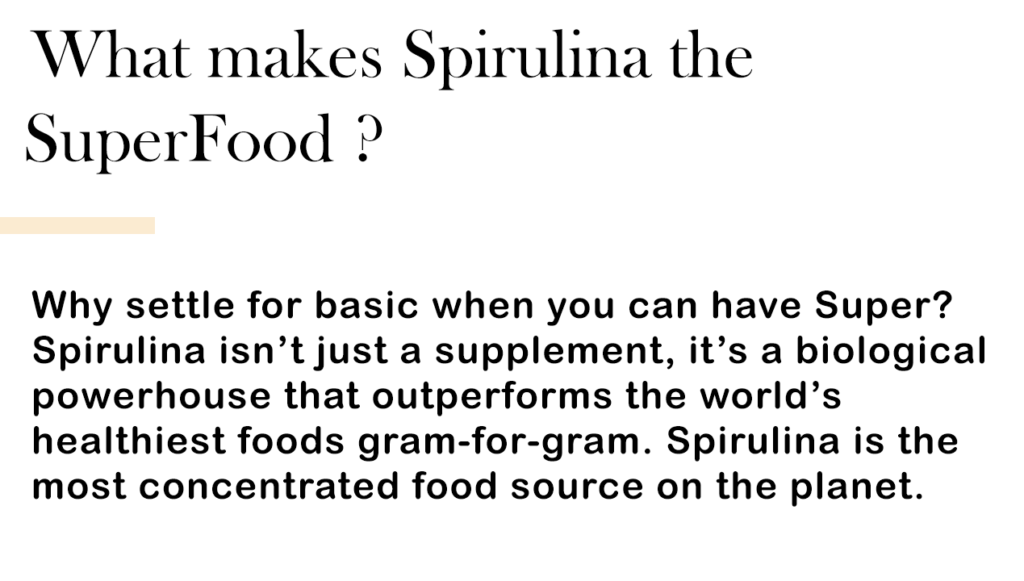
What makes Spirulina the Superfood ?
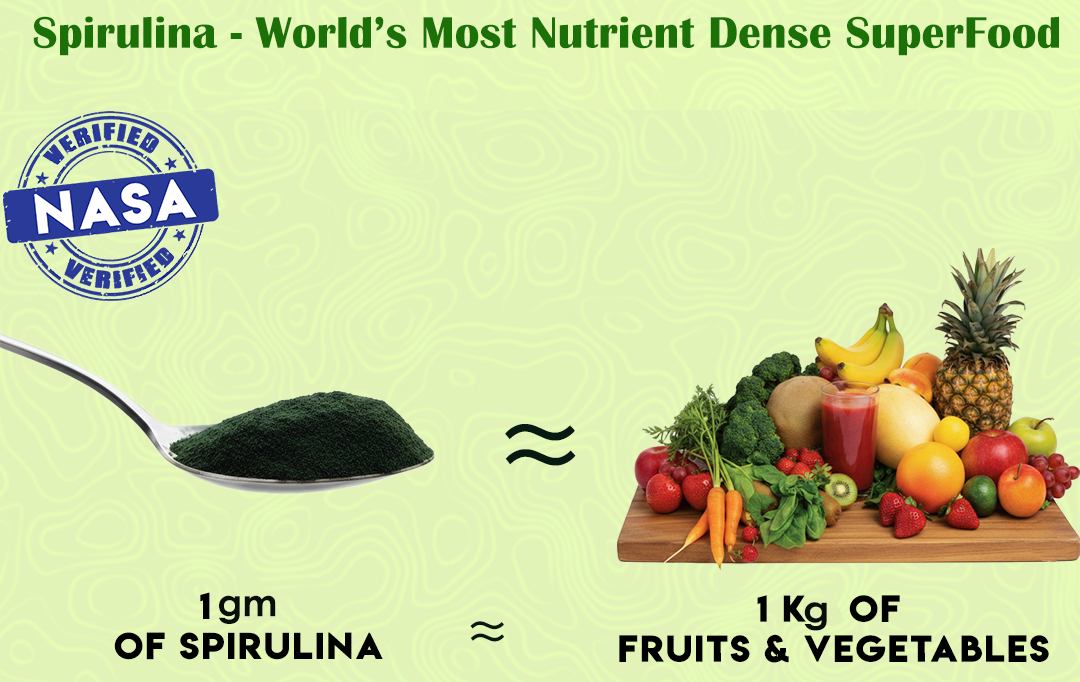
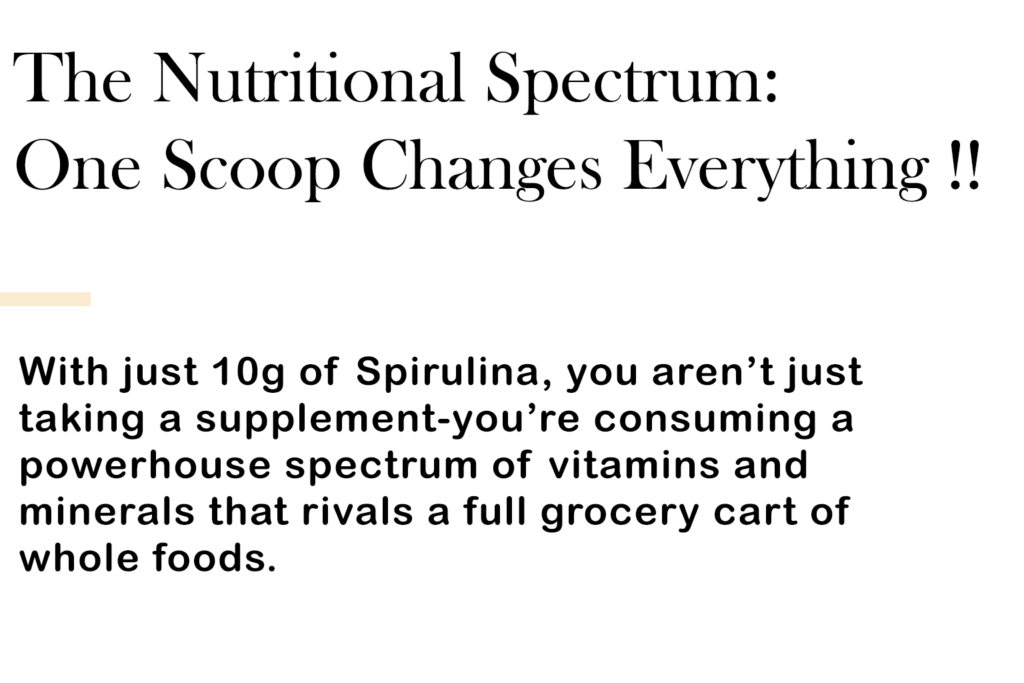
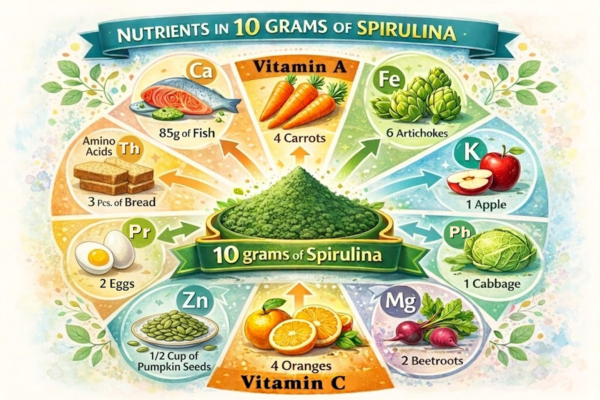
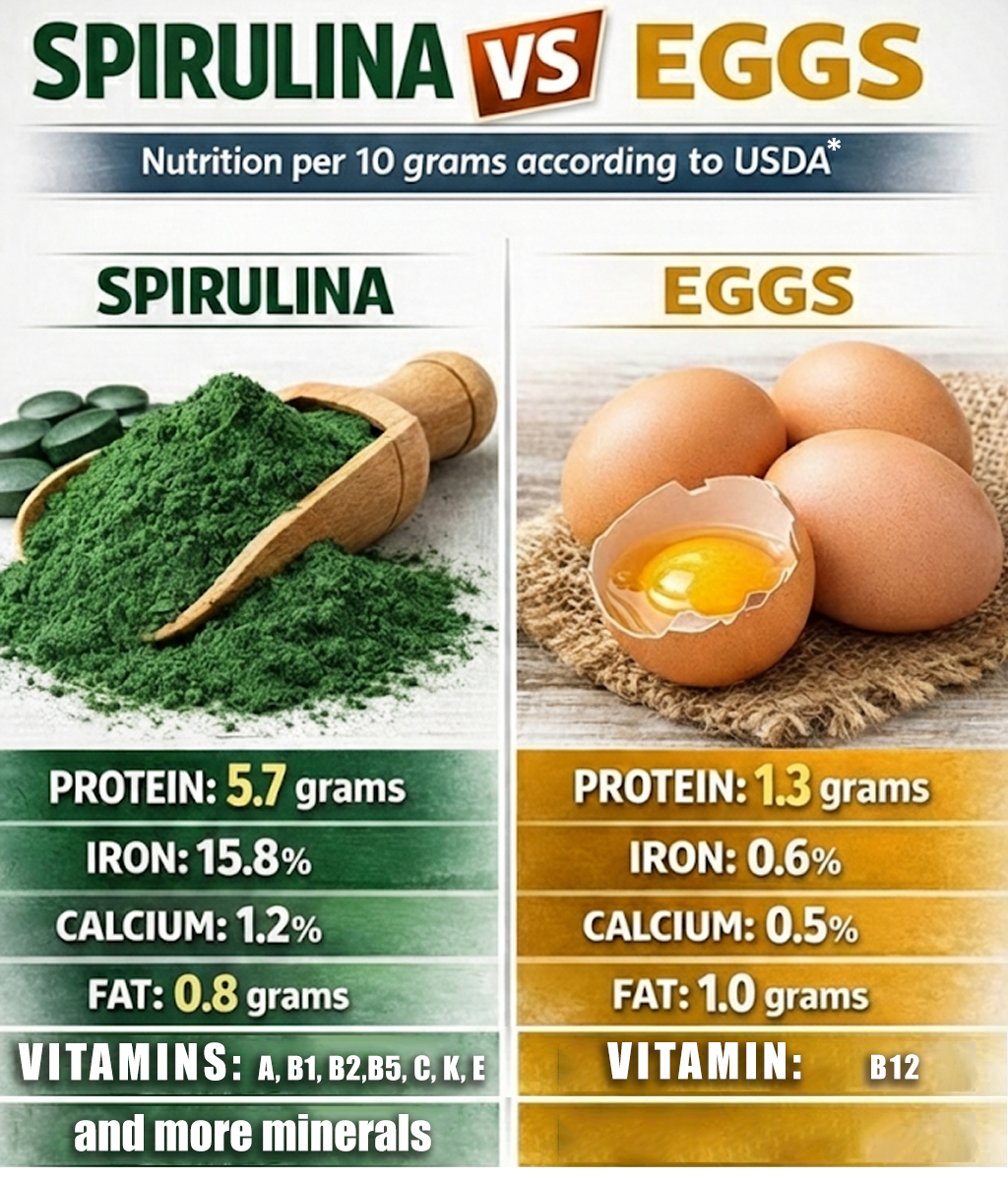
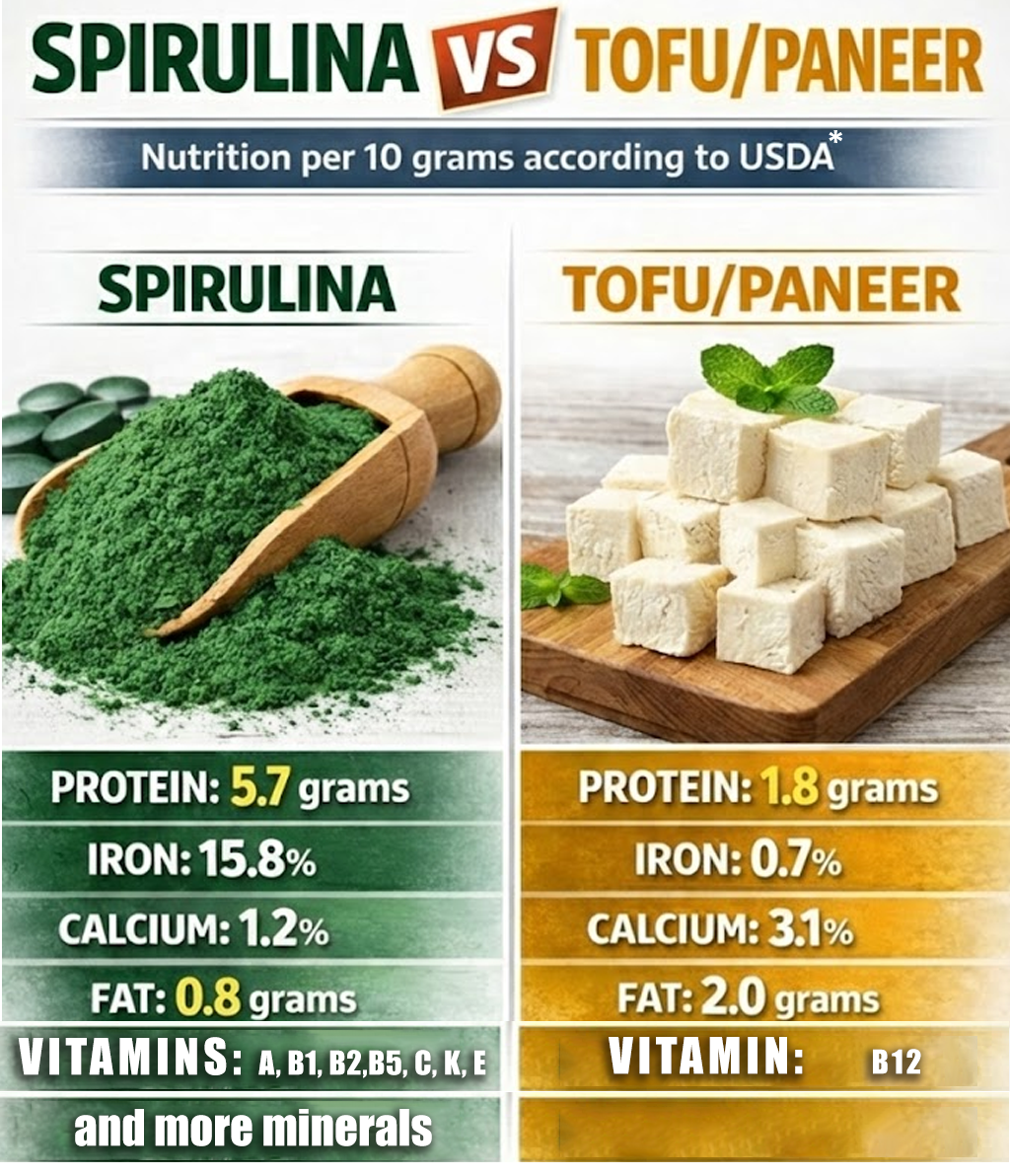
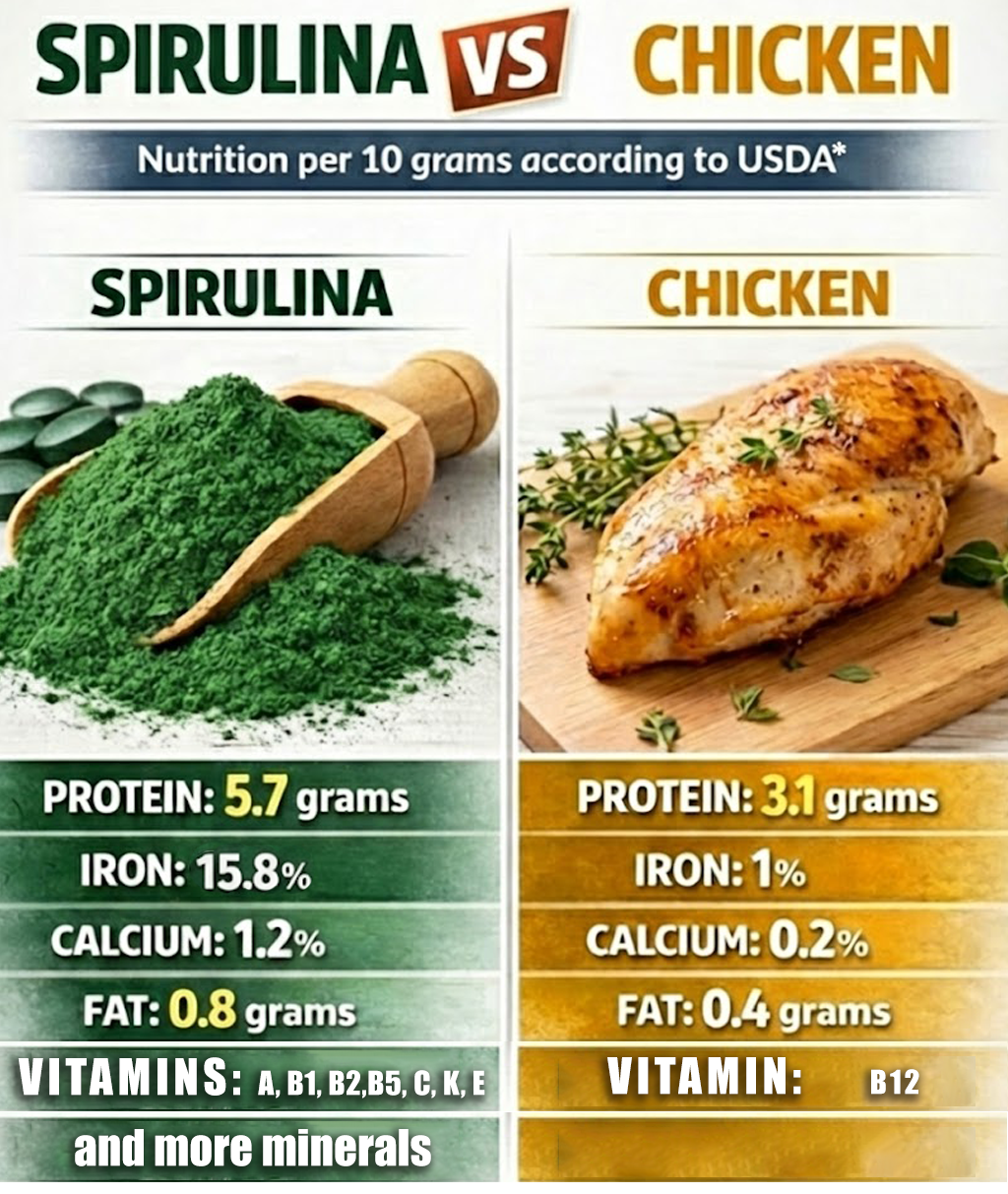
Why settle for basic when you can have Super? Spirulina isn’t just a supplement; it’s a biological powerhouse that outperforms the world’s healthiest foods gram-for-gram. Labeled by the UN as the “Ideal Food for Mankind” and used by NASA to nourish astronauts in space, Spirulina is the most concentrated food source on the planet.
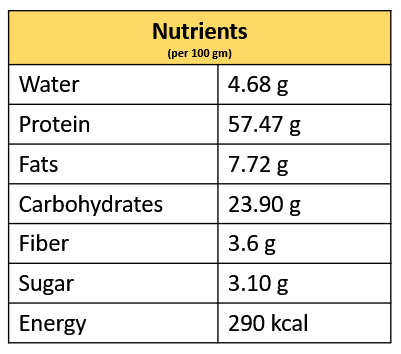
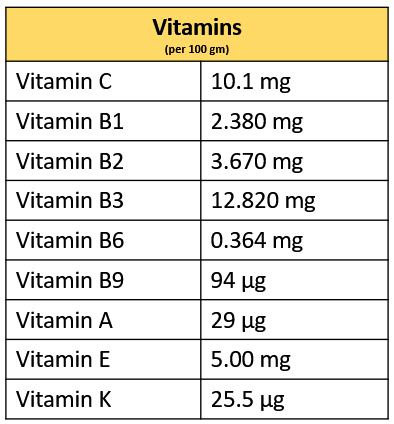
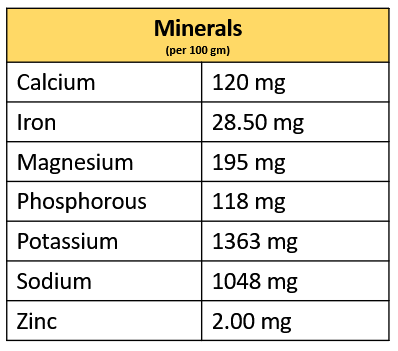
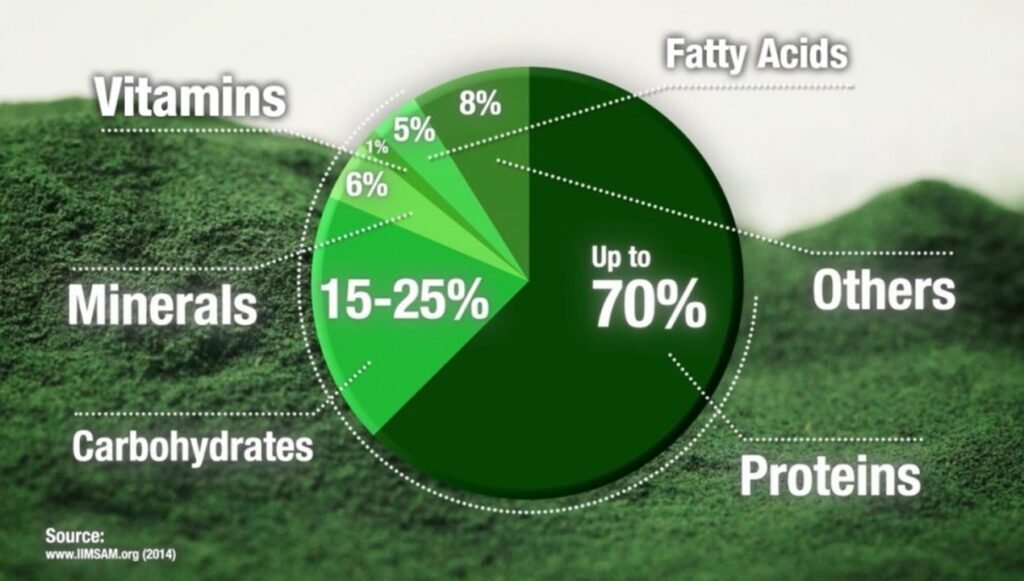
Nutritional values per serving*
From Early Steps to Golden Years
One ingredient. Infinite benefits. Whether you're fueling a growing child, a busy professional, or a health-conscious senior, Spirulina provides the foundational nutrition that every body deserves.
Kids & Teenagers
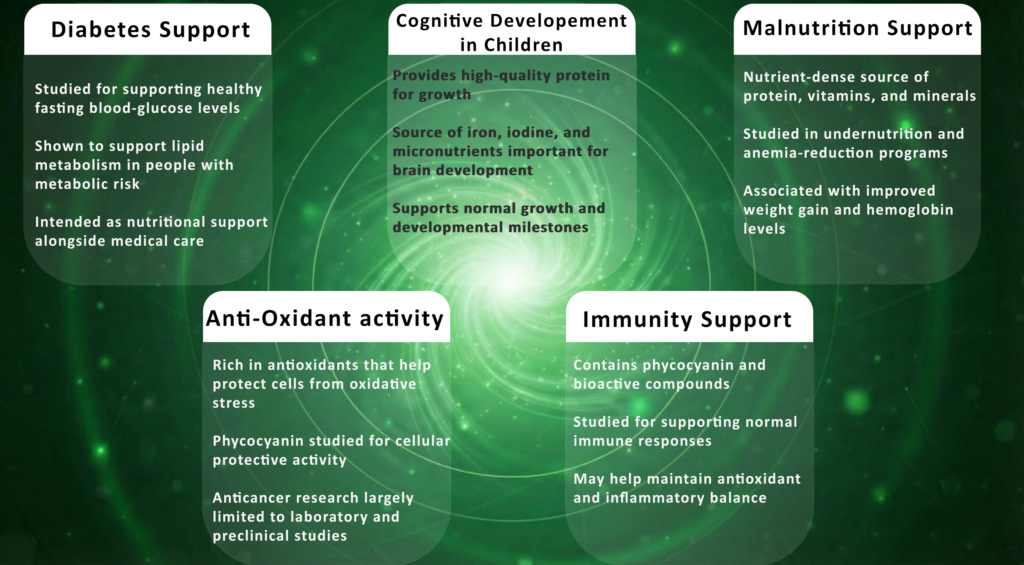
Supports Cognitive brain developement, immunity, and growth with proteins, antioxidants and essential nutrients.
Adults
Natural energy boost, detoxification support, stress reduction, and immune defense for active lifestyles.
Seniors
Joint & bone health, heart health support, and healthy aging with antioxidants.
3.5 Billion Years in the Making. NASA Approved. UN Certified
From the ancient Aztec civilizations to modern-day NASA astronauts, Spirulina has been the world’s most trusted source of concentrated nutrition. Recognized by the WHO for its unparalleled safety and density, it isn’t just a trend—it’s a historical miracle.
16th Century
Consumption of Spirulina from lakes by Aztec people, Discovered by Spanish explorers.
1974 (UN)
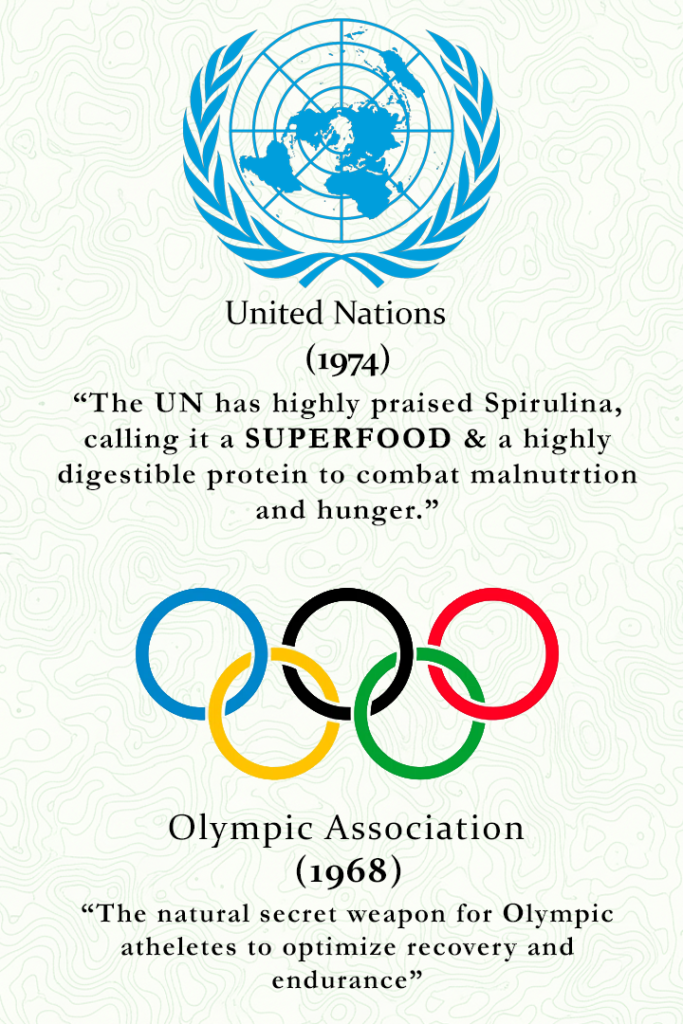
At World food conference UN highlighted Spirulina as "the best food for the future", to highlight it's importance against malnutrition.
1981 (NASA)
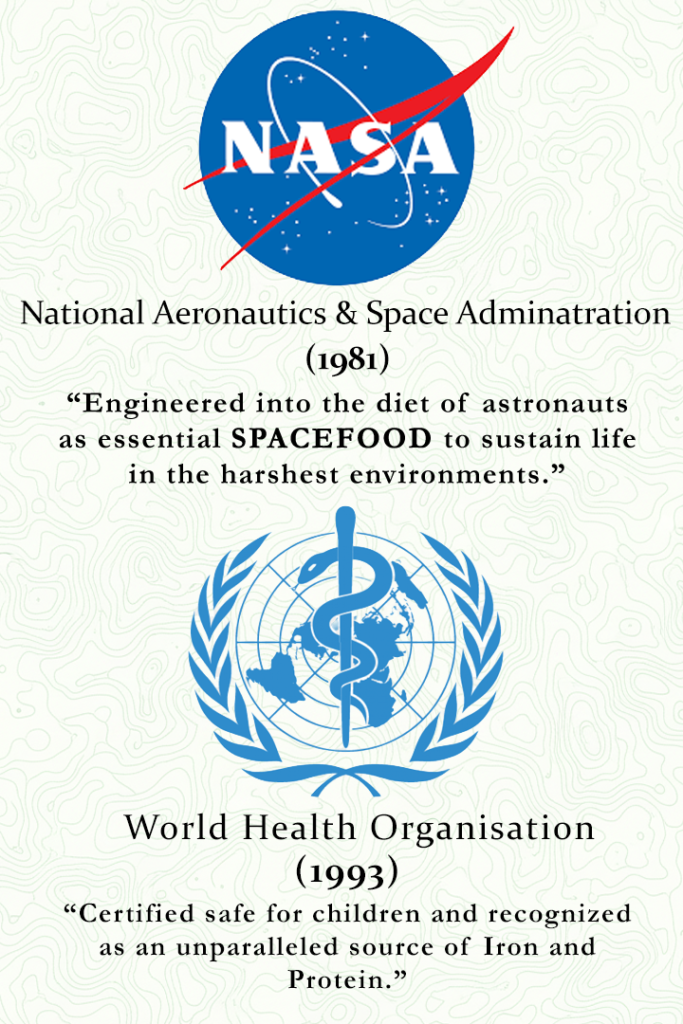
NASA considered Spirulina for spacefood for their astronauts, followed later by other space agencies like ISRO & ESA.
1993 (WHO)
World Health Organization endorses Spirulina supplementation programs for malnourished children in several African nations.
Frequently Asked Question!
It’s a dietary supplement, not a medicine. It helps support nutrition but is not for medicinal use. Most people can consume it daily within the recommended dosage.
Regular Spirulina intake supports energy, immunity, detoxification and overall wellness. Its rich profile of protein, B-vitamins, iron, phycocyanin and essential amino acids helps maintain a naturally steady and healthy state.
Children above 3 years of age should take Spirulina SUPERFOOD that helps manage nutrition gaps from junk-food habits and supports healthy cognitive intelligence development.
Spirulina is a nutritional supplement meant to complement a varied diet, not replace whole fruits and vegetables.
It is not a fat burner, but its high nutrient density can help reduce cravings and support a balanced metabolism.
It’s natural-the aroma comes from marine minerals and phycocyanin pigments. High-quality Spirulina should smell earthy and not pungent or fishy.
Pregnant women and individuals with autoimmune conditions, phenylketonuria (PKU), severe algae or seafood allergies, kidney disease, or those on immunosuppressant or blood-thinning medication should consult a doctor before use.