Introduction
Spirulina is a type of blue-green algae that has grown in popularity as a dietary supplement in recent years. While it’s often marketed as a “superfood,” its appeal isn’t just hype — spirulina’s nutrient density and antioxidant content have prompted scientific research into its effects on various aspects of health. This article explores spirulina’s nutritional profile, potential health benefits, how it might be used, and safety considerations based on current research.
What Is Spirulina?
Spirulina is a microscopic cyanobacterium — a microorganism that uses sunlight to generate energy. When dried and processed, it becomes a green powder or tablet that consumers can take as a supplement. It’s especially popular among people following vegetarian and vegan diets because of its nutrient richness.
Nutritional Profile
Spirulina is packed with protein, vitamins, and minerals in a surprisingly small serving. One tablespoon (about 7 grams) of dried spirulina typically contains approximately:
- Around 20 calories
- Over 4 grams of protein
- A blend of essential vitamins (including B-vitamins and vitamin C)
- Minerals such as potassium, magnesium, calcium, phosphorus, and iron
Importantly, spirulina also contains powerful antioxidant compounds like phycocyanin, a pigment that gives it its distinctive blue-green color and may help fight oxidative stress in the body.
Potential Health Benefits
Eye Health
Spirulina contains antioxidants such as beta-carotene, which the body can convert into vitamin A — a nutrient important for maintaining healthy vision. In early animal research, spirulina appeared to protect retinal cells from damage, though more human studies are needed to confirm this benefit.
Oral Health
Some early clinical research suggests that spirulina may help support gum health when used with standard periodontal treatments. In addition, spirulina may have antimicrobial properties that could benefit oral hygiene, but the evidence is still emerging.
Weight Management
Reviews of clinical research indicate that spirulina may help with modest weight loss, reduction in body mass index (BMI), decreased waist circumference, and appetite control. The mechanisms aren’t fully clear, but spirulina might reduce fat absorption in the intestine.
Gut Health
Animal studies point to a potential role for spirulina in promoting a healthy balance of gut bacteria as organisms age. However, human evidence is limited, and further research is required.
Blood Sugar Regulation
Some research suggests that spirulina supplementation can meaningfully lower fasting blood sugar levels, especially in people with type 2 diabetes. It may also improve other metabolic markers, such as triglycerides and cholesterol profiles.
Cholesterol and Heart Health
Spirulina appears to have a favorable effect on blood lipid levels — lowering total and “bad” LDL cholesterol while increasing “good” HDL cholesterol. These effects, in turn, may support heart health when combined with other lifestyle measures.
How Spirulina May Be Used
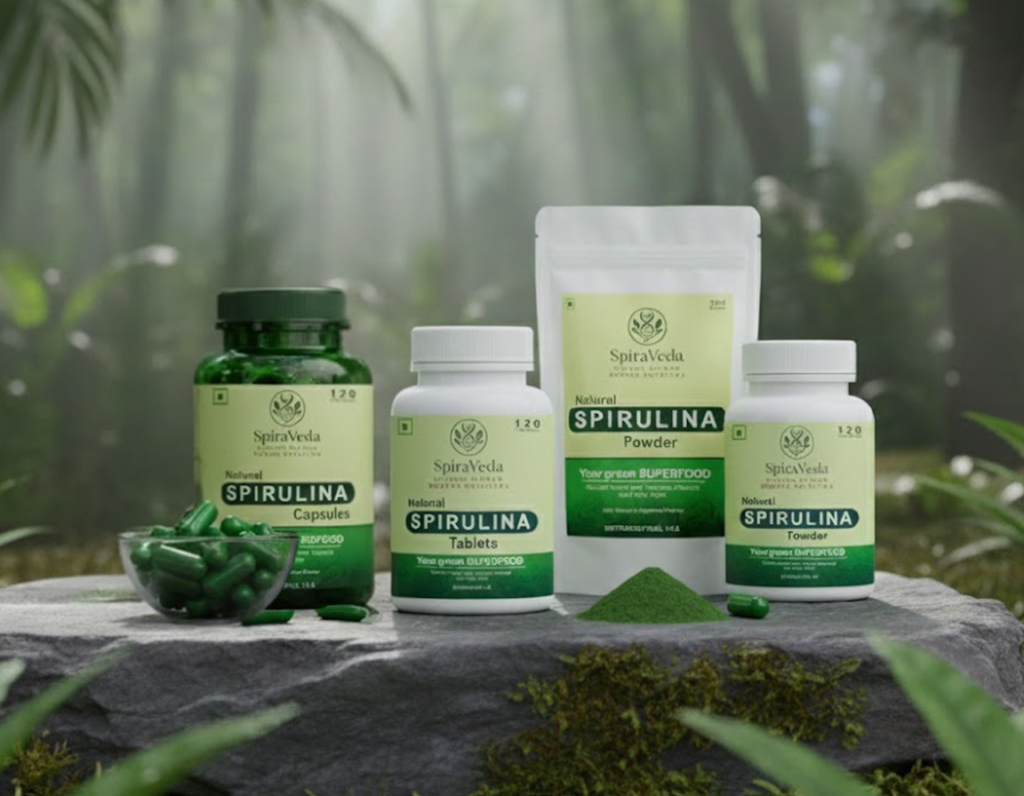
Spirulina supplements come in powder, tablet, and capsule forms. Some people mix spirulina powder into smoothies or juices, while others take tablets with water. Because spirulina is nutrient-dense, even a small daily dose (often between 1 and 10 grams) can contribute a wide range of vitamins and minerals.
Despite its many potential benefits, spirulina should not replace a balanced diet or medical treatment when needed. Instead, it is best considered as a supportive component of a healthy lifestyle.
Safety and Precautions
Spirulina is generally well tolerated by most adults, but there are important caveats:
- Quality matters: Some spirulina products may be contaminated with heavy metals or toxins if harvested from unsafe waters.
- Pregnancy and breastfeeding: Limited research exists, so consultation with a healthcare provider is recommended.
- Medical conditions: People with autoimmune conditions, bleeding disorders, or those taking medication should seek professional advice before starting spirulina.
- Allergic reactions: Although uncommon, spirulina can trigger sensitivities in some individuals.
Conclusion
Spirulina is more than a health fad — its nutrient richness and biological activity have real scientific backing. Evidence suggests benefits for metabolic health, blood sugar regulation, cholesterol management, and antioxidant support. However, the bulk of research calls for larger, higher-quality human trials to fully confirm these effects and understand optimal dosing.
Used as part of an overall wellness strategy, spirulina can be a valuable supplement. As with any health product, choosing high-quality sources and consulting healthcare professionals ensures it complements your health goals safely.
