

Spirulina has become widely recognized as a nutrient-dense dietary supplement, often described as a “superfood.” While spirulina does contain valuable nutrients, it is important to understand its role in everyday nutrition. Spirulina is not a substitute for a balanced diet. Instead, it is best viewed as a concentrated nutritional supplement that can complement healthy eating habits.
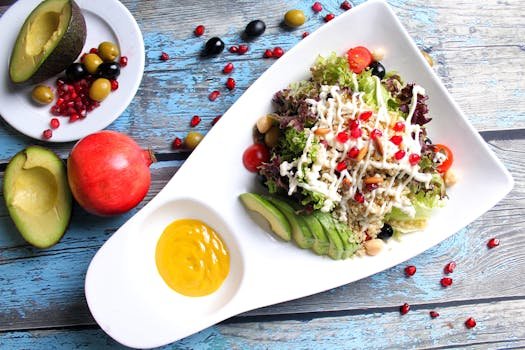
A balanced diet is built on a variety of whole foods, including fruits, vegetables, whole grains, legumes, nuts, seeds, and quality protein sources. These foods provide essential macronutrients, dietary fiber, vitamins, minerals, and naturally occurring compounds that work together to support normal body functions. Whole foods also contribute to satiety, digestion, and long-term nutritional balance in ways that supplements cannot fully replicate.
Spirulina does not replace meals or provide complete nutrition on its own. What it offers is a concentrated source of select nutrients in small amounts. Spirulina contains protein, iron, certain micronutrients, and naturally occurring pigments such as phycocyanin, which is valued for its antioxidant properties. Because of this concentration, spirulina is commonly used as a supportive addition to the diet rather than a primary food source.
For some individuals, meeting daily nutritional needs can be challenging due to busy schedules, limited food variety, dietary preferences, or lifestyle demands. In such cases, spirulina may help support nutritional intake when used alongside regular meals. It can be especially useful for people seeking plant-based nutritional options or those looking to add diversity to their daily nutrition routine.
However, it is important to set realistic expectations. Spirulina should not be used to compensate for poor dietary habits or skipped meals. Relying on supplements without maintaining a balanced diet may lead to nutritional gaps over time. Health authorities and mainstream dietary guidelines consistently emphasize a food-first approach, recommending supplements only as supportive tools when dietary intake may fall short.
Quality and responsible use also matter. As with any dietary supplement, spirulina should be sourced from reliable producers and consumed in recommended amounts. Individual needs can vary, and those who are pregnant, breastfeeding, managing health conditions, or taking medication should consult a qualified healthcare professional before adding supplements to their routine.
In summary, spirulina works best as part of a broader wellness approach. When combined with balanced meals, adequate hydration, physical activity, and healthy lifestyle habits, it can support everyday nutrition. Spirulina is not a replacement for real food — it is a nutritional companion designed to fit into, not replace, a well-rounded diet.